BlockDAG Network vs Traditional PoW Networks: What’s the Difference?
Release Date: January 18, 2024

1. Consensus Mechanism: PoW vs BlockDAG’s Hybrid Consensus
2. Transaction Speed and Scalability
3. Decentralization and Security
4. Eco-Friendly Approach
5. Parallel Processing and Dynamic Consensus
Understanding BlockDAG and Blockchain
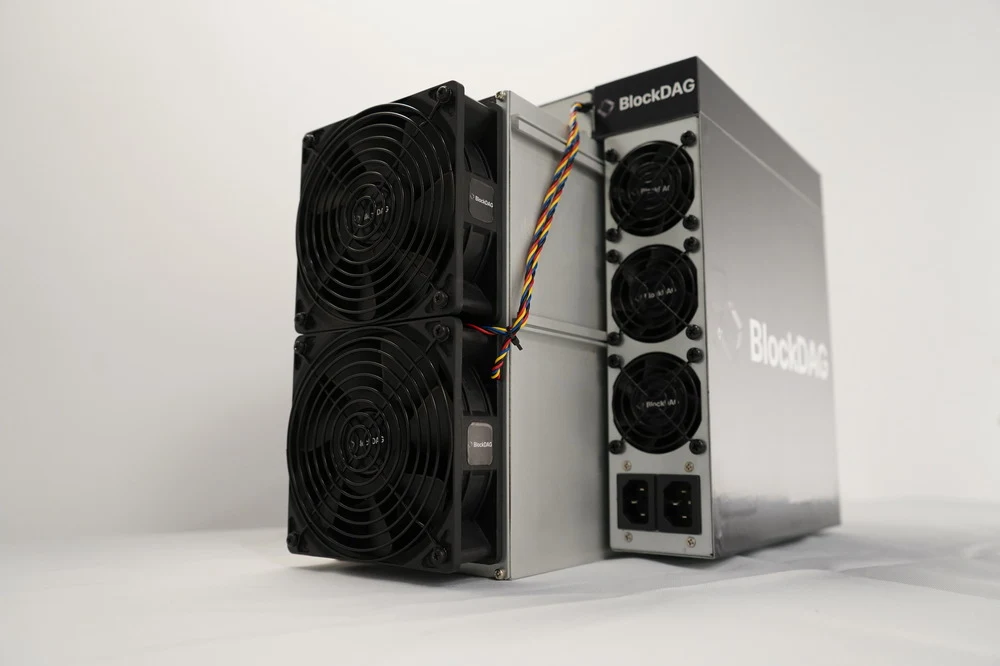
The world of cryptocurrency mining has come a long way from its humble beginnings with Bitcoin and with the advent of new technologies, new approaches are challenging traditional mining methods. BlockDAG Network miners introduce a range of miners with features that set it apart from conventional mining practices.
1. Consensus Mechanism: PoW vs BlockDAG’s Hybrid Consensus
Traditional mining, particularly in the case of Bitcoin, relies on Proof-of-Work (POW) as the consensus mechanism. PoW includes validating transactions and appending new blocks to the blockchain by having crypto miners solve challenging mathematical problems. While effective, PoW has faced criticism for its energy-intensive nature and susceptibility to 51% attacks.
On the other hand, BlockDAG introduces a hybrid consensus mechanism. By leveraging a Directed Acyclic Graph (DAG) structure, BlockDAG enhances security and efficiency. It eliminates the occurrence of orphan blocks, a common challenge in traditional POW models, leading to a more streamlined and secure transaction validation process.
2. Transaction Speed and Scalability
Traditional PoW-based blockchains like Bitcoin often face challenges related to transaction speed and scalability. The block size and block time limitations can result in delays and higher transaction fees during peak usage times.
BlockDAG, with its DAG structure, excels in addressing these challenges. Achieving an impressive 10 blocks per second, BlockDAG offers enhanced transaction speed and scalability. The ongoing efforts to increase this capability beyond 30 blocks per second signal a commitment to providing miners with a swift and efficient platform.
3. Decentralization and Security
Decentralization and security are fundamental aspects of any cryptocurrency network. Traditional PoW models have faced concerns regarding centralization, especially with the dominance of large mining pools. The risk of 51% attacks poses a threat to the integrity of transactions.
BlockDAG's hybrid consensus mechanism aims to resolve these decentralisation concerns. By designing an efficient mining process that reduces dependence on large mining pools, BlockDAG strives to achieve a balance between security, accessibility, and scalability.
4. Eco-Friendly Approach
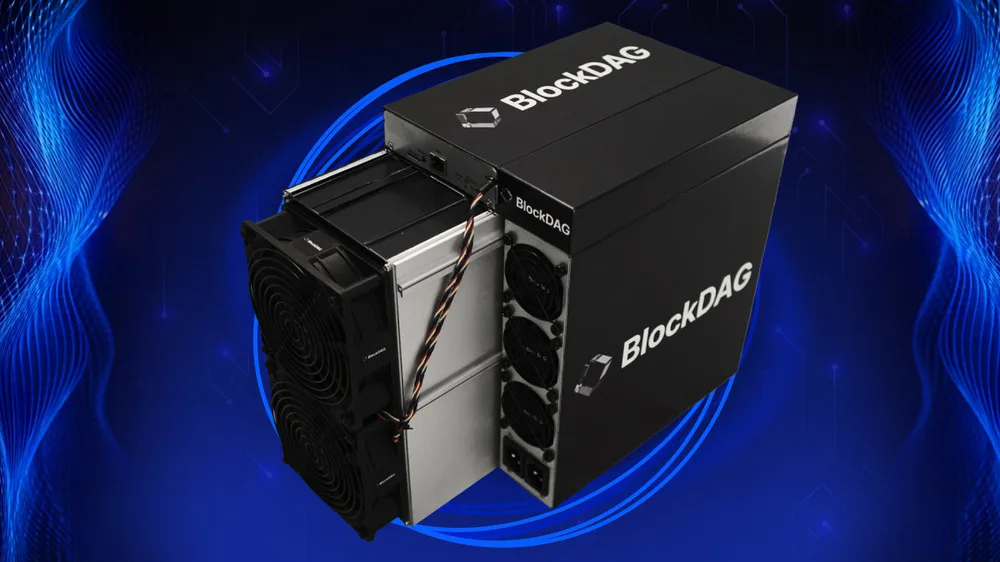
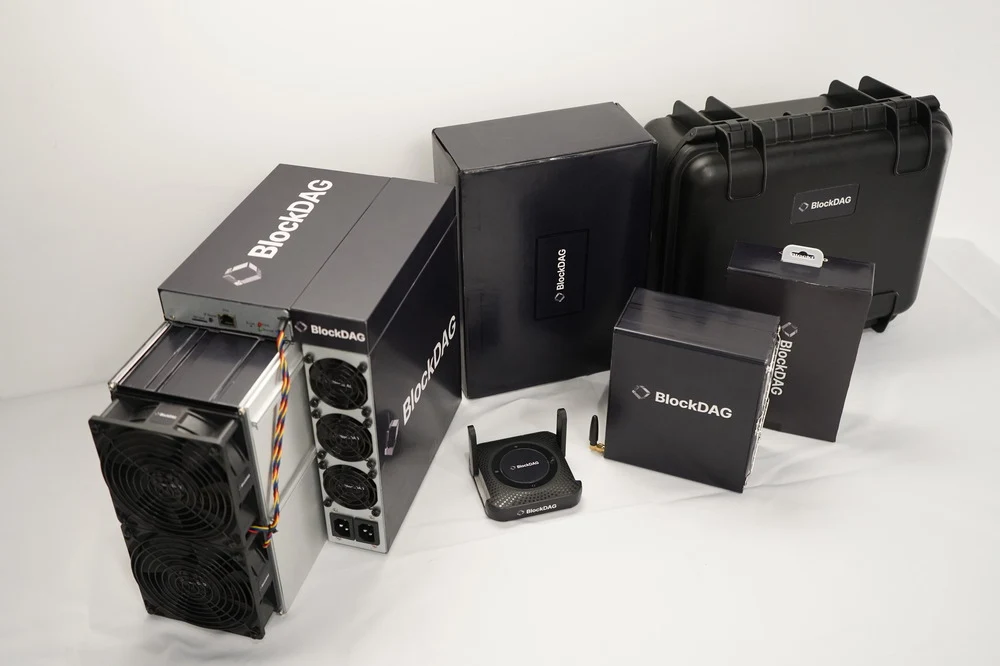
Traditional ASIC miners can contribute to environmental concerns due to their energy-intensive nature. BlockDAG introduces a more eco-friendly approach to mining. The X-series rigs, due to their high energy efficiency and reduced operational noise, position BlockDAG as an environmentally friendly alternative. Additionally, the inclusion of smartphone-based mining options reflects a commitment to accessibility and reduced negative environmental impact.
5. Parallel Processing and Dynamic Consensus
BlockDAG allows parallel processing of transactions. This feature, combined with dynamic consensus, contributes to reduced latency and improved decentralization. Traditional linear models may struggle to match the efficiency and transparency achieved through BlockDAG’s holistic approach.
Understanding BlockDAG and Blockchain
For now, we have to understand BlockDAG mining but for now, we are focused on
comparing the differences between BlockDAG (Directed Acyclic Graph) and blockchain.
Can BlockDAG vs Blockchain Be Compared?
The biggest difference between both terms lies in their structure. Where Blockchain includes blocks linearly, while BlockDAG can handle multiple blocks at a time.
Does Blockdag Fall Under Blockchain?
BlockDAG is not included in the blockchain technology, however, both are decentralised technologies. BlockDAG uses a Directed Acyclic Graph structure, which allows for handling various blocks simultaneously. On the other hand, a blockchain can only add the blocks to a chain linearly.
Is BlockDAG Secure Than Blockchain?
Both have high security, but Blockchain has been around longer and has undergone more extensive testing.
Coming back to BlockDAG mining it provides much-needed innovation to the crypto mining landscape, offering solutions to the challenges posed by traditional PoW networks. From a hybrid consensus mechanism to enhanced transaction speeds and a focus on eco-conscious practices, BlockDAG paves the way for a more sustainable and profitable experience.
About the Author

Latest Posts

BlockDAG Confirms It Has No Operational Presence in Seychelles
BlockDAG confirms it no longer operates in Seychelles. Learn about its current business structure, transparency measures, and official statement.
Read MoreCan BlockDAG Reach $1? Forecasting the Revolutionary Coin
Can BlockDAG reach $1? Get forecasts, market trends, and insights into the future potential of this revolutionary coin shaping the crypto landscape.
Read MoreBlockDAG Expands Digital Entertainment Frontier Through Key Betski Partnership
BlockDAG partners with Betski to boost its digital entertainment reach, driving innovation, user engagement, and growth across global Web3 platforms.
Read MoreBlockDAG and SpaceDev Unite to Revolutionize Blockchain Engagement
BlockDAG and SpaceDev join forces to transform blockchain engagement, driving innovation, scalability, and seamless user experiences. Discover the future of decentralized technology!
Read MoreHow To Buy Crypto With a Credit Card Safely?
Buying crypto with a credit card safely requires the right platform and security measures. Check fees, limits, and risks before making a purchase.
Read MoreBlockDAG Launch Date Approaching Amid Presale Records
BlockDAG listing date is approaching as its presale breaks records. Insights on BDAG’s growth, upcoming exchange listings, and market potential in 2025.
Read More